8 Cinematic Universes That Reshaped Modern Blockbusters
Cinematic universes have changed Hollywood forever by turning single movies into huge sagas that rule the box office and cultural conversations. These shared worlds have changed everything from how studios make movies to what audiences expect, from superhero movies to monster mash-ups.
Here's a list of the most important ones, based on their histories, successes, and lasting legacies.
1. The MCU, or Marvel Cinematic Universe
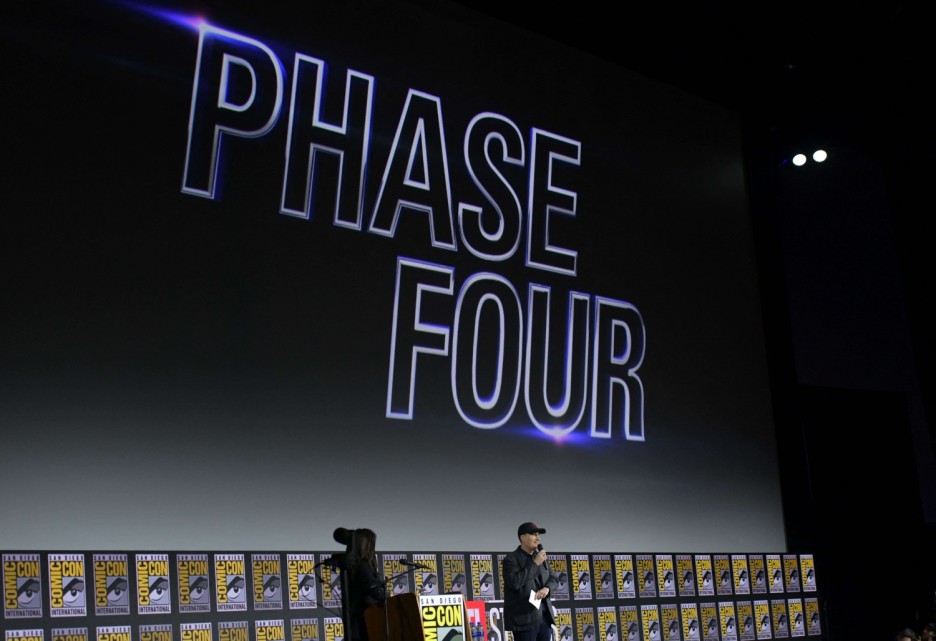
"Iron Man" was the first movie in the MCU, which started in 2008. It was the first to use the modern shared universe model, connecting dozens of movies through crossovers, post-credits teasers, and long-term story arcs like the Infinity Saga.
Its success, with hits like "Avengers: Endgame" making more than $2.8 billion, made studios focus on franchises, big budgets, and cross-media integration with TV shows on Disney+. This change made stories more similar but increased the spectacle, attracting directors from all over the world and increasing global sales.
2. The DC Extended Universe (DCEU)
Warner Bros. tried to compete with Marvel with the DCEU, which started with "Man of Steel" in 2013 and continued with "Batman v Superman: Dawn of Justice" and "Justice League." It changed the superhero movie genre by focusing on darker tones and faster team-ups, even though it got mixed reviews and didn't make much money.
Later, it switched to more self-contained stories. The DCEU had some great movies, like "Wonder Woman," that showed how good and bad it can be to build a universe too quickly.
3. MonsterVerse
Legendary's MonsterVerse brought kaiju movies back to life, starting with "Godzilla" in 2014 and ending with epic battles like "Godzilla vs. Kong" in 2021, which held up well during the pandemic.
Based on Toho's Godzilla legacy, it linked monsters through a common environment. This changed how Hollywood develops franchises and makes big-budget movies without superheroes.
4. The Universe of Conjuring
The horror series began with "The Conjuring" in 2013 and grew through spin-offs like "Annabelle" and "The Nun."
These movies created a world of demons and paranormal investigators based on true stories. Its slow rise to eight movies showed that universes could work in genres other than action, making billions and showing that horror could work for serialized blockbusters.
5. The Universe of Universal Monsters
"Dracula" in 1931 was the first movie in this early movie universe. It had crossovers with "Frankenstein Meets the Wolf Man" (1943) and "House of Frankenstein" (1944). These movies made it possible for people to share worlds. It had an effect on modern blockbusters by adding monster rallies and comedy-horror hybrids, but a 2017 attempt to bring it back with "The Mummy" failed, which shows how hard it is to bring back old movies.
In 1954, Toho's series started with "Godzilla." It grew into a shared universe with other monsters like Rodan and Mothra in crossovers like "King Kong vs. Godzilla" (1962). This was the first kaiju movie and the first to use suitmation effects. It inspired monster movies around the world and helped the MonsterVerse come back to life.
7. The Star Trek Movie Universe
This universe includes 13 movies, from "Star Trek: The Motion Picture" in 1979 to reboots like "Star Trek" (2009).
They all have the same stories, crews, and timelines. It changed the way sci-fi blockbusters are made by combining TV shows with big-screen epics, focusing on exploration and diversity, and changing how franchises plan long-form stories.
8. Look at the Askewniverse
Kevin Smith's indie universe began with "Clerks" in 1994. It connected movies like "Mallrats" and "Dogma" through the characters Jay and Silent Bob, who appear in all of them. It showed that shared worlds with low budgets and funny content could do well outside of studios.
This changed the way independent films are made and showed that big budgets aren't necessary to connect with audiences.
© 2026 Enstarz.com All rights reserved. Do not reproduce without permission.


