Prince Philip Allegedly Nearly Died Twice in 2021 as Secret Health Issues Before Death Fuel New Conspiracy Theories
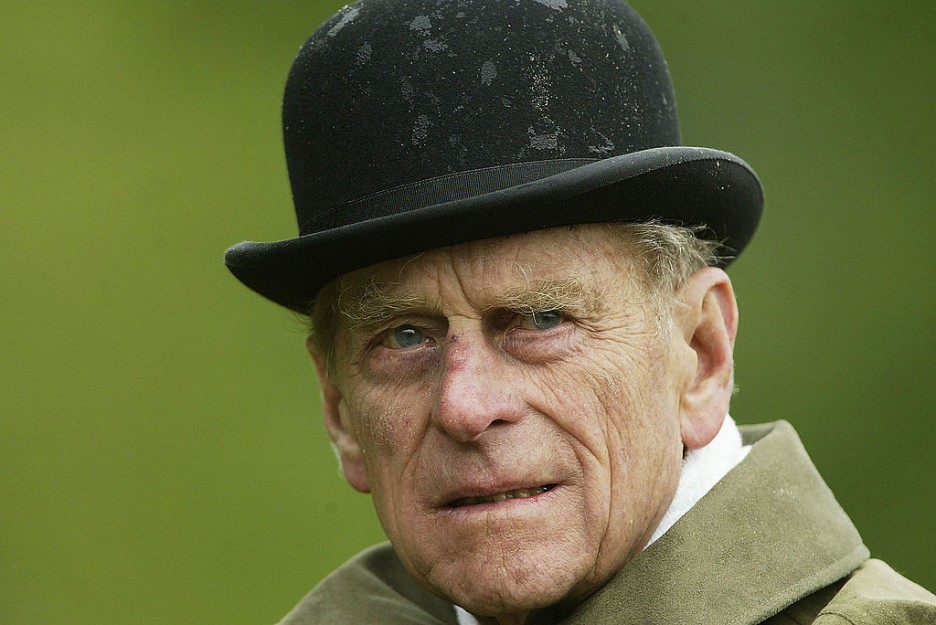
Recent claims regarding the last months of Prince Philip's life have sparked controversy once again in regards to the health of the royal figure leading up to his death in April 2021, with rumors claiming that the royal might have been "twice within death" during a mystery medical situation.
The Duke of Edinburgh died aged 99, and it was thought that his passing was peaceful; however, recent claims have caused people to question just how healthy he was when alive.
According to Radar Online, new details from a royal biography allege that Philip experienced severe complications during a hospital stay earlier that year. The outlet reported that the prince was first admitted for testing before being transferred for a heart procedure.
Royal historian Hugo Vickers detailed the sequence of events in his account. He wrote, "The Duke of Edinburgh, then aged 99, was admitted to the Edward VII Hospital in London for tests."
He continued to describe the seriousness of the situation during treatment. Vickers added, "On March 1, he was moved to St Bartholomew's Hospital, where he had an operation on his heart. His medical team nearly lost him twice."
Although Philip survived the reported procedure, his health is said to have declined afterward, culminating in his death just weeks later. The new claims have intensified scrutiny over what officials disclosed at the time.
Further controversy has emerged over separate assertions that Philip may have lived with pancreatic cancer for years prior to his death. The outlet reported that the same author suggested the royal survived with the disease for as long as eight years, a claim that has raised eyebrows among medical experts.
A medical expert familiar with pancreatic cancer outcomes questioned the plausibility of such survival. The expert said, "An eight-year survival in what is described as inoperable pancreatic cancer would be considered highly unusual – it immediately raises questions about the specific type of tumor involved and whether it behaved differently from the most common forms."
Specialists noted that while rare forms of pancreatic cancer can progress more slowly, long-term survival remains uncommon. Another expert explained the potential distinction between tumor types. The specialist said, "When you see survival on that scale, clinicians would typically consider whether it was a less aggressive subtype, rather than the more typical and fast-progressing cancers associated with the pancreas."
Medical professionals also emphasized the broader challenges of diagnosing and treating the disease. One source with clinical experience said, "The standard form of pancreatic cancer is extremely aggressive and often detected at an advanced stage, which is why survival rates remain so low despite advances in treatment."
Additional context was provided regarding less aggressive variants of the disease. Another source said, "There are forms of pancreatic cancer that behave very differently – some grow slowly and can be managed over several years, even when they are not considered operable in the traditional sense."
Despite the emerging claims, no official confirmation has been provided regarding Philip's alleged diagnosis or the severity of his reported health crises. The outlet noted that the absence of detailed medical disclosures has contributed to renewed speculation and conspiracy theories surrounding his final months.
In separate news, according to reporting cited by Geo News and based on claims from royal biographer Hugo Vickers, the Duke of Edinburgh spent his final evening quietly and largely on his own at Windsor Castle. Vickers said Philip "went along on his Zimmer frame to the Oak Room ... and he was having a beer all by himself," describing a solitary and reflective moment.
The biographer also claimed that Philip had no desire to reach the milestone age of 100. Vickers stated, "He did not want to live to be 100, and he just slipped away," adding that the prince later retired to rest after not feeling well.
Further claims suggest that Queen Elizabeth II was not present at the exact moment of his passing, with Vickers alleging she had previously expressed frustration about missing his final moments.
© 2026 Enstarz.com All rights reserved. Do not reproduce without permission.


