Impact of Typecasting on Careers: How Stars Like Marilyn Monroe & Arnold Schwarzenegger Broke or Embraced Their Stereotypes
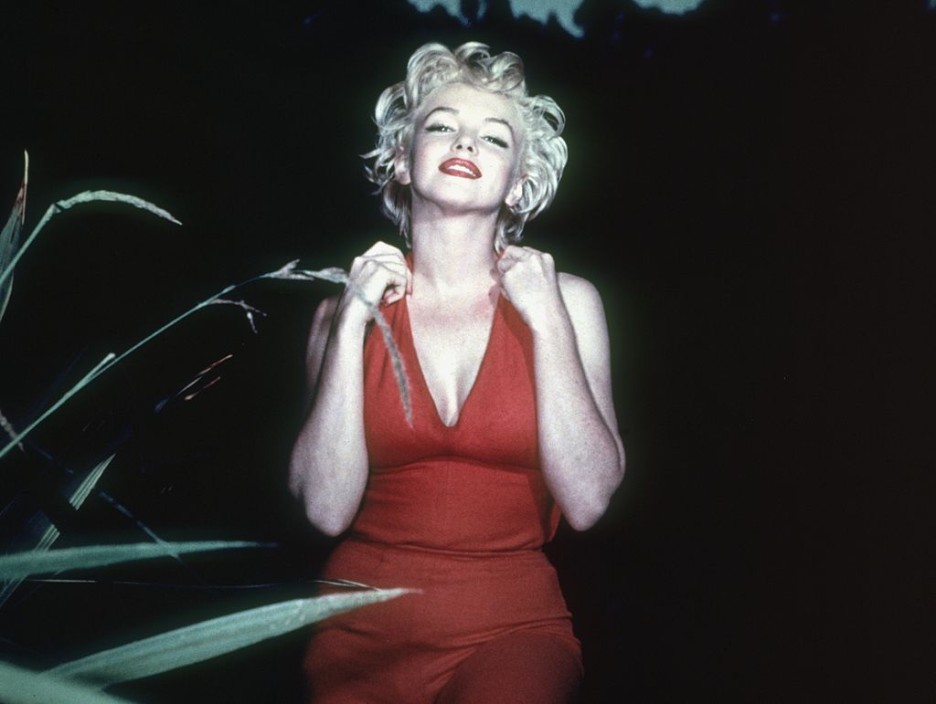
In the glamorous but harsh world of Hollywood, typecasting is both a golden ticket and a velvet rope. It's when actors are typecast into the same roles over and over again because of how they look, their personality, or their early successes. This limits their range but guarantees them steady work.
On the one hand, embracing a type can give you a monopoly on certain parts, which can lead to box-office success and job security. On the other hand, it could lead to career stagnation, creative block, and the dreaded label of "no range."
Marlene Dietrich and other famous people did well by owning their seductive archetype. Burt Reynolds, on the other hand, saw his "cool renegade" act become kitschy and slow his career.
But what happens when stars pull back or lean in? Marilyn Monroe and Arnold Schwarzenegger are two famous people who show how stereotypes can be both good and bad. They show how rebellion or strategic embrace can change a legacy.
Marilyn Monroe: The Blonde Bombshell Who Fought for More Depth
The "dumb blonde" stereotype is closely linked to Marilyn Monroe. She was a sexy symbol with a breathy voice and curvy body who captivated audiences on screen but was stuck in a cycle of shallow roles.
Monroe became known as the ultimate pin-up after her breakout role as the gold-digging Lorelei Lee in the 1953 movie "Gentlemen Prefer Blondes." Her intelligence and ambition were overshadowed by her platinum curls and form-fitting gowns. It wasn't just Hollywood's fault; the public wanted it too. Comedies like "The Seven Year Itch" (1955) made $6 million, while dramas often did poorly. But Monroe didn't like the label because she thought it was getting in the way of her getting serious attention.
Monroe's rebellion was brave and well-planned. She turned down scripts that made her look like a bimbo, like the dull Western "River of No Return" (1954), because she was tired of being treated "like a machine" by Twentieth Century Fox.
In 1955, she ran away to New York City under the name Zelda Zonk and started Marilyn Monroe Productions. She was the first woman to do this since silent film star Mary Pickford. This move broke the studio's control, which let her negotiate a groundbreaking contract: $100,000 per film, plus the right to approve stories, directors, and cinematographers.
She studied method acting at the Actors' Studio with Constance Collier and tried to get complicated roles like Grushenka in "The Brothers Karamazov" or Hedda Gabler, but many directors turned her down.
Her work resulted in a surprisingly varied filmography: from 1952 to 1962, she starred in eight comedies and eight serious roles, which is much more balanced than the filmographies of her peers, like Elizabeth Taylor or Lana Turner. Some of her best work includes the dramatic "Bus Stop" (1956), in which she played the vulnerable Cherie.
This movie was a big hit and made more money than some of her lighter work. "The Misfits" (1961), her last completed film, showed off her raw emotional depth opposite Clark Gable. Monroe's push for variety showed that she was a natural comedian and a determined artist, but being typecast made her angry and led to her tragic death at age 36.
Her legacy? A pioneer who showed how Hollywood objectified women and inspired today's stars to ask for more.
Arnold Schwarzenegger: The Action Star Who Became a Comedian and More
Monroe fought against her bombshell image, but Arnold Schwarzenegger turned his into a superpower. In "Conan the Barbarian" (1982), the Austrian bodybuilder played a stoic, muscle-bound hero who was half acting and half physique. His thick accent and huge frame made him the unbeatable action star in movies like "The Terminator" (1984), where he said famous lines like "I'll be back."
Hollywood thought he was one-dimensional because scripts with kill counts and shirt-ripping scenes came in all the time, but not much else. Instead of fighting it head-on, Schwarzenegger used his strengths—his body and outsider vibe—to plan ways to get out of the mold.
The change came with comedy, a type of movie that let him show a funny, innocent side that action movies didn't. He begged director Ivan Reitman to cast him in "Twins" (1988), where he played a naive genius opposite Danny DeVito's street-smart hustler. This showed that he could handle timing and self-deprecation.
After that, he starred in hits like "Kindergarten Cop" (1990) and "Jingle All the Way" (1996), which mixed his tough-guy look with slapstick humor. This change not only broke the action stereotype, but it also made him more popular, which led to him becoming governor of California from 2003 to 2011. Later roles, like the weak father in the zombie movie "Maggie" (2015), showed that he could play a wide range of emotions, which is very different from the grenade-tossing heroes he played in the past.
What does Schwarzenegger want to do? Don't change who you are—keep the accent and use the muscles—but look for projects that help you grow as a person. He says that his ability to adapt has helped him have many jobs, from Mr. Universe to movie star to politician. Monroe's typecasting caused problems in her personal life, but Schwarzenegger's acceptance turned what could have been limitations into global fame.
Arnold Schwarzenegger in a funny role shows how he has changed from only doing action movies.
Lessons from the Stereotypes That Have Wider Implications
Typecasting affects more than just individual careers; it also changes the way Hollywood works. For Monroe, it showed how women were often seen as eye candy, and for Schwarzenegger, it showed how outsiders can change people's minds just by being strong-willed.
Actors like Ryan Reynolds do well by owning their "smart-ass" type, but others, like Michelle Rodriguez, risk being the "tough chick" in action movies forever. The main thing? Balance: accept what works, but fight for variety so you don't become obsolete.
Monroe and Schwarzenegger remind us that stereotypes can be cages or catapults in an industry that is obsessed with branding. Monroe's defiance led to women's empowerment in production, and Schwarzenegger's growth showed that even a "one-dimensional" terminator can change.
As Hollywood changes, their stories show a truth that will never change: real stardom is about going beyond the type.
© 2026 Enstarz.com All rights reserved. Do not reproduce without permission.


