Peter Greene Dead at 60: The Mask Star’s Net Worth, Career Highlight And Private Drug Battles
The actor’s career spanned indie cinema and Hollywood hits
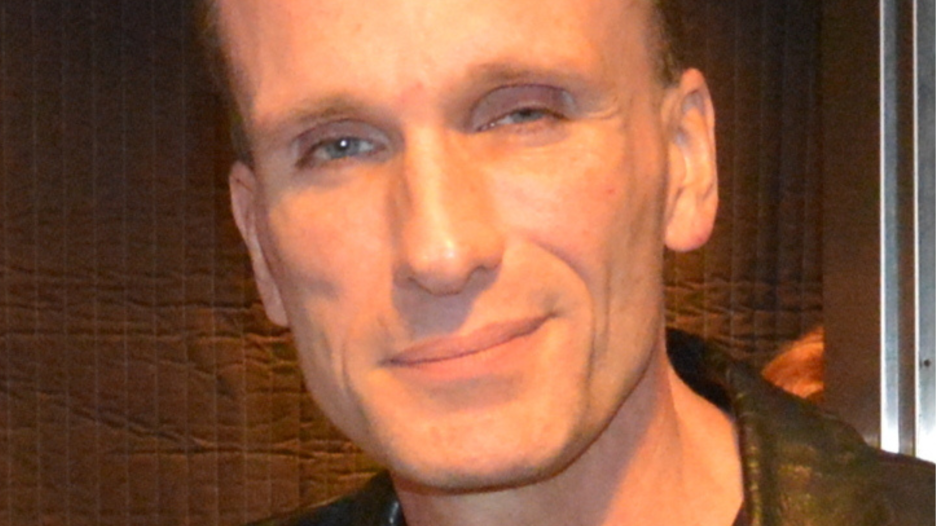
Peter Greene, the actor whose unnerving performances helped define some of the most memorable films of the 1990s, has died at the age of 60. Best known for his roles in The Mask and Pulp Fiction, Greene was found unresponsive in his New York City apartment, with authorities confirming his death and stating that no foul play is suspected. An official cause of death is pending, but the news has prompted renewed interest in a career marked by cult-classic performances, modest financial rewards and deeply personal struggles with addiction.
From Indie Breakout to Cult Film Mainstay
Born in Montclair, New Jersey, Greene experienced a troubled youth and spent time living on the streets of New York as a teenager. Acting became a path out of instability, leading him into the city's independent film scene in the early 1990s. Laws of Gravity in 1992 led to a drastic change in his career, and Clean, Shaven brought him to the front page of newspapers and magazines, as he played a character afflicted with acute mental illness. The role transformed Greene into an actor that could offer great psychological depth and consequently attracted the big studios' attention.
His most commercially recognised role arrived in 1994 when he starred as villain Dorian Tyrell in The Mask opposite Jim Carrey. The film's success introduced Greene to a global audience and remains the performance most closely associated with his name. That same year, he appeared in Quentin Tarantino's Pulp Fiction as Zed, delivering a brief but deeply unsettling turn that became one of the film's most discussed scenes.
Across his career, Greene accumulated close to 100 film and television credits. His performances consisted of roles in The Usual Suspects, Under Siege 2: Dark Territory, Blue Streak, and Training Day, and also television parts in series like Justified, Chicago P.D., and The Black Donnellys. He was not usually cast as the main character, but he achieved a reputation for lifting the secondary parts, frequently portraying hot-headed villains or shady characters with a convincingness that was unique among fellow actors.
Peter Greene was valued at around $1.5 million at the time he passed away. It was a long time coming, but industry insiders always pointed out that his earnings mirrored a film noir actor's work, receiving no more than Hollywood's average salaries. Besides, he had quite a few interruptions during his career, which made his financial prospects not as bright as those of some of his peers.
Private Drug Battles That Shadowed Greene's Career
The professional achievements of Greene were, however, overshadowed throughout his life by the drug addiction that he was fighting for a long time. He openly discussed the usage of heroin and cocaine, mainly at the time of his fame in the 1990s. These problems resulted in arrest, missed chances and rehabilitation periods, all of them together disrupted what would have been a longer ascendancy in the Hollywood world.
During the mid-1990s, Greene attempted suicide and entered treatment, which he later acknowledged as a pivotal moment in his life. Although addiction affected his ability to work on set, his colleagues and collaborators have noted that he remained highly involved and dedicated during his period of sobriety, continuing his usual meticulous character research.
In the following years, Greene took part in the filming of indie movies and television, while maintaining a low profile in public. He remained unmarried and childless, preferring to keep his personal life private. Those close to him claimed that his lived experience was the source of the emotional weight and authenticity he brought to his performances.
Peter Greene's death marks the loss of a distinctive presence in American cinema, remembered less for fame or fortune than for performances that left a lasting and often unsettling impression on audiences.
Originally published on IBTimes UK
© 2026 Enstarz.com All rights reserved. Do not reproduce without permission.


