Cancer-Stricken King Charles Faces Scrutiny Over Swollen ‘Sausage’ Fingers
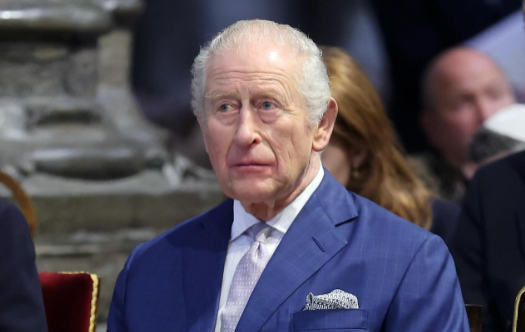
King Charles III's noticeably swollen fingers have again attracted attention as the monarch prepares for a busy Christmas schedule amid ongoing cancer treatment, medical experts say the appearance can result from multiple, often benign causes — though they note some possibilities that could relate to his current therapy.
According to RadarOnline, photographs and footage of the 77-year-old sovereign signing documents and adjusting ceremonial robes during public engagements have prompted renewed public discussion about what commentators have dubbed his "sausage" fingers.
Buckingham Palace has not disclosed any specific diagnosis and has declined to comment on detailed medical matters beyond confirming the king is continuing cancer treatment while maintaining a reduced schedule of public duties.
"Puffy or swollen fingers in older adults are common and can be caused by a range of conditions," said Dr. Chun Tang, medical director at Pall Mall Medical in Manchester. "Often it reflects fluid retention or inflammation. Common causes include arthritis, soft-tissue injury, allergic reactions, medication side effects, and systemic issues such as kidney or heart disease."
Dr. Tang and other physicians who spoke generally about the symptom said several factors could be relevant for someone undergoing cancer therapy. Certain anticancer medications and supportive drugs — for example, corticosteroids or some targeted agents — can cause fluid retention. Inflammatory or autoimmune conditions occasionally associated with cancer or its treatment can also produce swelling in the hands.
"Some cancer treatments can lead to edema, either by triggering inflammation, affecting kidney function or causing changes in blood-vessel permeability," said an oncologist who asked not to be named because they had not been authorized to speak publicly about a royal patient. "But swollen fingers by themselves are not diagnostic of a serious complication. They prompt a basic clinical evaluation: history, medication review, physical exam and, if indicated, blood tests and imaging."
According to National Institute of Health, Arthritis — particularly osteoarthritis and inflammatory types such as rheumatoid arthritis — is another frequent cause of enlarged or misshapen fingers in older adults. Infectious causes, tendon or joint injuries, and lymphedema (localized fluid buildup) can also produce similar appearances.
Observers note the king has previously acknowledged the look with self-deprecating humor. Footage released during preparations for his coronation showed him joking about "sausage fingers" while fastening robes with Prince William.
Royal aides and sources quoted by media outlets say Charles has long treated public interest in his hands lightly.
Buckingham Palace aides have routinely declined to discuss detailed health matters beyond confirming the monarch's cancer treatment and reduced public schedule. The palace did not respond to requests for further comment on Thursday.
Read more: King Charles Says Cancer Treatment Will Be Reduced by New Year Following 'Effective Intervention'
Medical experts caution that visual speculation in media coverage can be misleading. "Photographs can exaggerate swelling depending on lighting, camera angle and the contrast of surrounding tissue," said Dr. Rebecca Miles, a consultant rheumatologist in London. "Any concern about new or worsening swelling should be evaluated clinically, particularly if it's accompanied by pain, stiffness, shortness of breath or other systemic symptoms."
As the royal household prepares for seasonal engagements — including the traditional Christmas services at Sandringham, during which the monarch's hands will be visible during handshakes and public greetings — experts say common-sense measures can help manage swelling when it is benign: reducing dietary salt, elevating the hands when possible, wearing comfortable rings or removing tight jewelry, and reviewing medications with a physician.
"If swelling is persistent or progressive, or associated with other symptoms, clinicians would look for underlying causes and treat accordingly," Dr. Tang said. "But in many older adults it's a manageable symptom rather than a sign of serious decline."
The renewed focus on the king's hands comes amid heightened public scrutiny of his health since his cancer diagnosis was disclosed. Royal sources say Charles remains philosophic and light-hearted about attention to his appearance and continues to carry out a reduced number of public duties while undergoing treatment.
© 2026 Enstarz.com All rights reserved. Do not reproduce without permission.


