Rob Reiner's Millions: Expert Explains If Son Nick Can Inherit While Facing Murder Charges
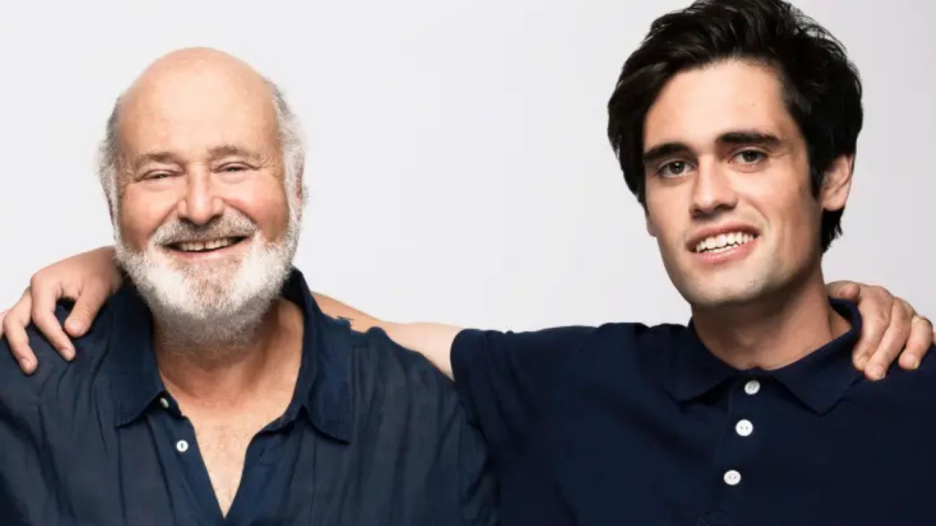
With Nick Reiner now facing two counts of first-degree murder in connection with the deaths of his parents, attention has begun to turn beyond the criminal courtroom to the question of money — specifically, what becomes of Rob Reiner's estate.
Rob along with his wife Michele Singer Reiner was found dead in the home they shared in Los Angeles earlier this month. Their son, 32, was arrested a few days later and is in jail as the court handles his case.
While the district attorneys are preparing a case to show the son's guilt, another legal proceeding is taking place discreetly.
Estate and probate matters follow their own timeline, one that is not tied to a criminal verdict and can begin almost as soon as a death is confirmed.
Attorneys say that divide often surprises families, particularly in cases involving allegations of violence between relatives.
Gideon Alper, an estate planning attorney at Alper Law, explained that criminal proceedings and inheritance matters are handled independently. He told The Mirror, "Criminal courts decide punishment. Probate courts decide entitlement."
That separation means the administration of an estate does not necessarily pause while a criminal case plays out.
According to Alper, "Families are often surprised to learn that inheritance issues don't automatically pause while a criminal case plays out," adding that probate courts are empowered to ensure no one profits from a death they caused.
How The Reiner Estate Could Be Handled
What ultimately happens to Rob's assets depends largely on how he and his wife structured their finances before their deaths.
Reiner's estate has been estimated at roughly $200 million, thanks to decades of hits like "When Harry Met Sally," "Stand By Me," "The Princess Bride" and "A Few Good Men."
How that wealth is handled now depends on how the Reiners structured their finances. If they put assets into a revocable living trust, a successor trustee would take over management.
After someone sets up a revocable trust, it usually becomes permanent when they pass away. At that point, the trustee's job is clear: settle any bills or debts, handle taxes, and pass the property along to whoever the trust names as beneficiaries.
If the Reiners didn't use a trust and only had a will, the estate would go through probate. That's a court process that makes sure all debts and taxes are taken care of before anyone receives their inheritance.
If the couple relied solely on a will instead of a trust, the estate would go through probate. That court-supervised process makes sure debts and taxes are paid before any inheritance is handed out.
In the absence of either a will or a trust, California's intestacy laws would apply. Those laws establish a default order of inheritance that generally prioritizes spouses and children, regardless of personal intent.
The Impact Of California's 'Slayer Rule'
The most sensitive legal issue centers on whether a child accused of killing their parents can inherit at all. California, like most states, has what are commonly called slayer statutes.
These laws are designed to prevent anyone from financially benefiting from a death they "feloniously and intentionally" caused.
Craig Parker, assistant general counsel at Trust & Will, told the Daily Mail that under California Probate Code Section 250, a person found to have committed such a killing is treated as though they predeceased the victim for inheritance purposes.
In practical terms, that means they are barred from inheriting under a will, a trust or through intestate succession.
"If Nick Reiner were convicted of murdering his parents, he would be legally barred from inheriting from their estates," Parker said, regardless of how the assets were structured.
Notably, the decision is not always solely based on the result of the criminal trial. Probate courts have the authority to decide in a civil case based on their own findings, different from the criminal case, and these cases can be in the process even if the criminal charges are still awaiting.
🚨 UPDATE: Details Emerge in Rob Reiner Murder Investigation; Bill Hader "Horrified"
— True Crime Updates (@TrueCrimeUpdat) December 17, 2025
New details have surfaced regarding the events leading up to the tragic murders of legendary director Rob Reiner and his wife, Michele. Their son, Nick Reiner, 32, remains in custody after being… pic.twitter.com/YEJUJTj9Gl
What Happens While The Case Is Pending?
Inheritance rights are typically placed on hold until there is a final resolution. Probate courts may delay distributions or require assets to be held until a conviction or a civil finding establishes whether the killing was intentional and felonious.
There are also legal nuances that complicate the picture. Parker noted that a verdict of not guilty by reason of insanity does not automatically resolve inheritance questions.
California law allows a probate court to independently assess whether the slayer statute applies, even if the criminal case ends on insanity grounds.
Alper added that some high-net-worth individuals use more complex planning tools, including offshore trusts such as Cook Islands trusts, which operate under foreign law. "Offshore trusts like Cook Islands trusts are designed to provide continuity and control even after the death of the settlors," he said. They do not automatically dissolve or default to state inheritance rules, though many include provisions similar to slayer statutes to prevent abuse.
Rob is survived by four children: Nick, sons Jake and Romy with Michele Singer Reiner, and daughter Tracy, whom he adopted during his first marriage to Penny Marshall. How any eventual inheritance is divided has not been publicly disclosed.
While the case has drawn intense attention because of Reiner's fame, legal experts say the underlying issues are common. Families often assume assets will simply pass to children, or they fail to plan for extreme and uncomfortable scenarios.
"Estate planning isn't about predicting tragedy," Alper said. "It's about removing uncertainty if the unthinkable happens."
© 2026 Enstarz.com All rights reserved. Do not reproduce without permission.


