The Oscar Curse: Why Some Winners Like Halle Berry Fade After Their Moment in the Spotlight
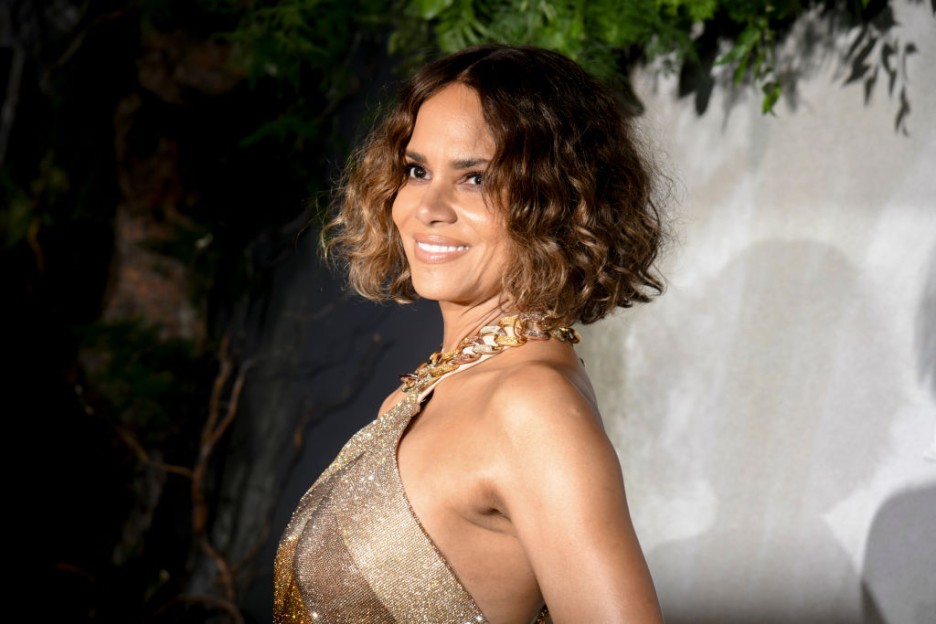
Halle Berry made history in 2002 when she became the first Black woman to win the Academy Award for Best Actress for her raw, honest performance in Monster's Ball. She cried during her acceptance speech, saying that the win was for "every nameless, faceless woman of color that now has a chance because this door tonight has been opened."
Berry is still the only Black woman to have won that honor more than twenty years later, and her career has not been a steady rise since she won. The Oscar didn't seem to open up a world of possibilities; instead, it seemed to signal the start of a difficult time for Berry. She even mentioned the infamous "Oscar curse," which is when award winners' careers inexplicably stall or decline, as per Refinery 29.
In Hollywood, the term "Oscar curse" is used to describe the strange bad luck that often happens to people who win an Academy Award. The gold statuette does not guarantee fame; in fact, it can lead to more scrutiny, unrealistic expectations, and a lot of professional problems.
Not every winner gives up—Meryl Streep and Daniel Day-Lewis, for example, kept winning—but many do, especially those from groups that aren't well-represented. The curse is still there, though, as a strong reminder of Hollywood's systemic problems, even as the Oscars change in response to calls for more diversity.
But is it true or just a story? According to SlashFilm, experts and data say it's a little bit of both: a mix of statistical regression (winning is often the best time in a career), bad timing, and deep-seated biases in the industry.
Halle Berry: A Historic Win, Then Heartbreak
Berry's story is probably the most powerful example of the curse in action. After her win in 2002, she thought she would get a lot of scripts from big-name directors. In a 2020 interview, she said, "I thought, 'Oh, all these great scripts are going to come my way; these great directors are going to be banging on my door.'" "It didn't happen."
It really did get a little harder. Instead, she got parts in well-known but poorly reviewed movies like "Catwoman" (2004), for which she won a Razzie for Worst Actress.
She accepted this dubious honor in person with humor and grace. She was in supporting or action-oriented roles in movies like "X-Men" (as Storm) and "Die Another Day" as a Bond girl, but these roles didn't show off her dramatic range.
Berry has been honest about how it has affected her emotionally. "Being the only Black woman to win Best Actress is one of my biggest heartbreaks," she said, as quoted by Business Insider, adding that she thought her win would open doors for other Black women, but no one has followed.
"The day after I won the Oscars, I thought, 'Wow, I was chosen to open a door.' And then, to not have anyone...I ask myself, "Was that a big deal, or was it just a big deal for me?" This isolation shows bigger problems: Berry, a woman of color, was typecast and given few scripts that fit her talent, so she had to switch to producing and directing, like in her 2020 Netflix movie Bruised.
After Berry: A Pattern of Struggles After Winning
Berry is not the only one. The curse has taken many lives over the years, often affecting actors who were new to the business or who peaked too soon.
At 29, Adrien Brody was the youngest actor to win the Best Actor award for "The Pianist" (2003). His career slowed down after flops like "The Singing Detective" (39% on Rotten Tomatoes). As per BuzzFeed, he has since become a dependable character actor in Wes Anderson movies and TV shows like "Succession," but he has never become famous.
Cuba Gooding Jr. won the Oscar for Best Supporting Actor for "Jerry Maguire" (1996), which led to a string of comedies like "Snow Dogs" and "Norbit" that weren't even close to being Oscar-worthy. Hilary Swank, who won the Best Actress Oscar for "Boys Don't Cry" in 2000 and "Million Dollar Baby" in 2005, had a similar dip when her TV show Alaska Daily was canceled after one season.
Marcia Gay Harden, who won an Oscar for "Pollock" (2001), said the award was "disastrous on a professional level" because it made her roles smaller instead of bigger.
Women and people of color seem to be especially at risk. After winning an Oscar for Precious in 2010, Mo'Nique said she was blackballed after having problems with big names in the industry like Oprah Winfrey and Tyler Perry. Because there weren't many roles for deaf actors, Marlee Matlin, the first deaf actress to win Best Actress for "Children of a Lesser God" (1987), mostly worked on TV. Even directors aren't safe.
Michael Cimino's "The Deer Hunter" (1979) won an Oscar, but "Heaven's Gate," which went bankrupt, was a disaster.
Recent conversations on sites like X (formerly Twitter) show that people feel the same way. People talk about the "Black Oscar curse" and how winners like Berry and Lupita Nyong'o (Best Supporting Actress for "12 Years a Slave" in 2014) ended up in franchises like "X-Men" or "Black Panther" instead of high-quality dramas. One post said, "Everyone knows about the black Oscar curse." That's why Lupita got the part in Black Panther and Halle Berry got the part in "X-Men."
Because a black person holding an Oscar doesn’t hold any weight.
— she_dreadzme (@She_DreadzMe) July 30, 2025
Everybody knows about black Oscar curse. That’s why Lupita ended in black Panther & Halle Berry ended up in XMen.
I don’t know if Damson as TChalla will make BP3 make $900+
I can’t answer that
Taking a look at the reasons: stress, bias, and bad luck
So what causes this to happen? One important thing is the pressure cooker of expectations. Berry said that winners are now "expected to turn in award-worthy performances" every time, but the industry doesn't always give them the right material. Hollywood's hype machine creates stories about "overdue" or "breakthrough" wins, which makes it hard to follow up.
Systemic biases make the problem worse. Women are hurt by ageism and sexism.
Mercedes Ruehl, who won the Supporting Actress award for "The Fisher King" (1991), said these were the reasons her career came to a halt. For people of color, the curse often shows up as tokenism: a win doesn't lead to more chances, like when Berry is still alone in the Best Actress club. Poor project choices are also a factor; many winners go after big-budget movies to make money, but they end up failing critically.
It's partly regression to the mean, since winning an Oscar is often the best thing that can happen to a career, so a dip feels like a curse. A 2013 study in Organization Science even put a number on it: winners' paths can be hurt by too much confidence or opportunities that don't match up.
Breaking the Spell: Hope in the Hex
Things aren't all bad. Some winners bounce back by branching out. For example, Berry directed "Bruised" to have more control over her story. The industry is slowly changing, and there have been more diverse nominees in the last few years. One X user thought in 2025, "Is the Oscar curse real?" Angelina Jolie won hers, but people think she should have had a better filmography. Halle Berry. Jennifer Lawrence. "Lupita."
Oscar curse real ? Angelina Jolie won hers and people think she hasn't had the filmography she should have had.Halle Berry.Jennifer Lawrence.Lupita they have popular roles but not not what people were expecting after winning an Oscar.
— Blue (@xxathenamex) November 13, 2023
The Oscar curse shows how flawed Hollywood is: it talks about diversity in speeches but doesn't follow through in real life. For winners like Berry, it's a call to action—showing that a true legacy comes from changing the industry itself, not just one night. As the 2026 Oscars get closer, people wonder: Will the next big winner break the curse for good?
© 2026 Enstarz.com All rights reserved. Do not reproduce without permission.


