Rosanna Arquette Slams Quentin Tarantino’s Use of N-Word in Films: “It’s Just Racist and Creepy”
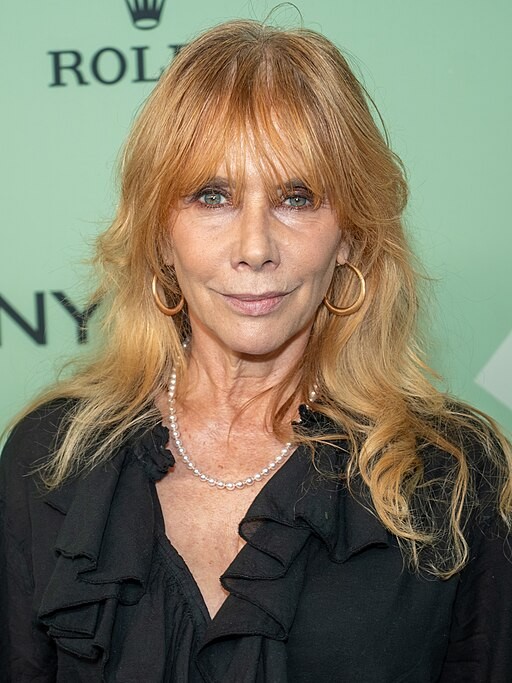
Rosanna Arquette has publicly condemned director Quentin Tarantino for his repeated use of the N-word throughout his filmography, saying he's been given an inappropriate free pass by Hollywood.
The actress, who appeared in Tarantino's iconic 1994 film "Pulp Fiction," shared her views during a recent interview with The Times U.K., calling out what she perceives as a double standard in the industry.
"It's iconic, a great film on a lot of levels," Arquette acknowledged about "Pulp Fiction," where she portrayed the wife of Eric Stoltz's character. "But personally I am over the use of the N-word — I hate it. I cannot stand that he [Tarantino] has been given a hall pass. It's not art, it's just racist and creepy."
The controversy surrounding Tarantino's language choices in his films has been a recurring topic of debate for decades. His 2012 slavery-era film "Django Unchained," starring Jamie Foxx, featured the slur more than 110 times, spoken by both Black and white characters.
Director Spike Lee was among the most prominent critics when "Django Unchained" was released, telling Vibe magazine the film was disrespectful to his ancestors. Lee had previously criticized Tarantino's language use after the 1997 release of "Jackie Brown," stating he had "a definite problem with Quentin Tarantino's excessive use of the N-word."
"I have a definite problem with Quentin Tarantino's excessive use of the N-word," Lee said at the time. "And let the record state that I never said that he cannot use that word — I've used that word in many of my films — but I think something is wrong with him."
Tarantino has consistently defended his creative choices. Following his best screenplay Golden Globe win for "Django Unchained" in 2013, the filmmaker addressed critics directly, using the slur himself while explaining his position.
"They think I should soften it, that I should lie, that I should massage," Tarantino said backstage in the winners room. "I would never do that when it comes to my characters."
Prior to the film's December 2012 release, Tarantino told The Hollywood Reporter that external criticism would never influence his writing. "Not one word of social criticism that's been leveled my way has ever changed one word of any script or any story I tell," he stated. "I believe in what I'm doing wholeheartedly and passionately. It's my job to ignore that."
Despite the controversy, "Django Unchained" achieved significant commercial and critical success. The film earned five Academy Award nominations at the 85th Oscars, with Christoph Waltz winning for best supporting actor and Tarantino claiming his second Oscar for best original screenplay.
Arquette's recent comments add her voice to a longstanding conversation about artistic freedom versus social responsibility in filmmaking. Her criticism is particularly noteworthy given her direct involvement in one of Tarantino's most celebrated works.
The debate over language in historical and contemporary films continues to evolve as Hollywood grapples with questions of authenticity, context, and the potential impact of repeated exposure to racial slurs, even within artistic contexts.
Tarantino, who has directed ten films including "Reservoir Dogs," "Kill Bill," "Inglourious Basterds," and "Once Upon a Time in Hollywood," has announced he plans to retire after completing one more project, potentially bringing an end to one of cinema's most controversial directorial careers.
Neither Tarantino nor his representatives have responded to Arquette's latest comments.
© 2026 Enstarz.com All rights reserved. Do not reproduce without permission.


