Meryl Streep: Mastering Metamorphosis – Transformative Roles That Defined Decades
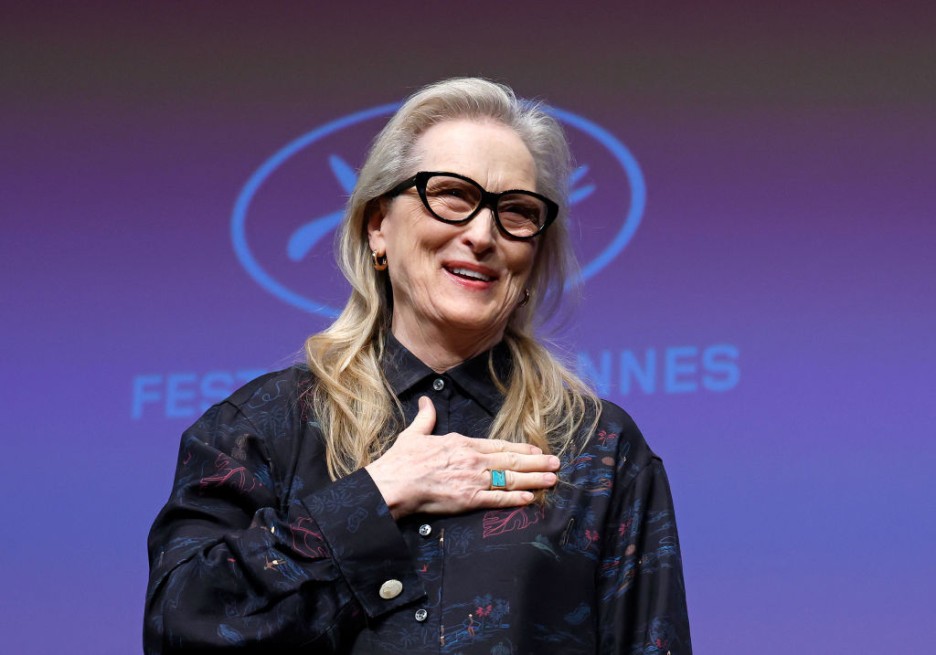
Hollywood is always changing, but Meryl Streep is one of the few stars who shines as brightly and consistently as she does. With a career that has lasted more than 50 years, three Academy Awards, and a record-breaking 21 Oscar nominations, Streep has changed what it means to be a versatile actress. Critics have praised her for being able to play a wide range of characters, from tortured Holocaust survivors to cold fashion moguls. She has also become a cultural icon.
As we look ahead to 2026, Streep is still going strong. She will be in exciting movies like "The Devil Wears Prada 2," which will bring her back together with Anne Hathaway and Emily Blunt, and the thriller "Useful Idiots," which will star Sigourney Weaver. But to really get a sense of how much she has changed the world, let's look at the roles she has played that have changed her life over the years.
The 1970s: Getting Through with Strong Feelings
The first movie Streep was in was a small but very important one. Her first role in a full-length movie was in "Julia" in 1977, where she played a young woman in flashbacks. But most of her footage was cut, which was a humbling start that almost made her give up acting.
"The Deer Hunter" came out the next year and showed her as Linda, the loyal girlfriend during the terrible Vietnam War. This got her her first Oscar nomination for Best Supporting Actress and showed off her subtle acting skills.
She became well-known for playing Joanna Kramer in "Kramer vs. Kramer" (1979), a wife who is unhappy and leaves her family. Streep pushed for changes to the script so that the character would seem more real. She won the Oscar for Best Supporting Actress for her performance, which was so raw and open. These early roles showed that she was an actress who wasn't afraid to play complicated, flawed women. This set the stage for her career as a chameleon.
The 1980s: Accents, Awards, and Intensity That Stands Out
In the 1980s, Streep became more famous for roles that required her to speak and feel deeply. In "Sophie's Choice" (1982), she played Sophie Zawistowski, a Polish Holocaust survivor who was haunted by a terrible choice she made. Streep won her first Oscar for Best Actress for her role in the film's most important scene, in which she spoke Polish perfectly and did it all in one take. Critics said she was great at showing subtlety and trauma.
She kept her streak going with "Silkwood" (1983), in which she played Karen Silkwood, a real-life whistleblower. She did a lot of research to make the part seem real and tough. In "Out of Africa" (1985), she played Karen Blixen, a strong woman from Denmark who lived in colonial Kenya. This got her another Oscar nomination and made her famous all over the world.
The last movie of the 1980s was "A Cry in the Dark." She played Lindy Chamberlain, an Australian woman who was accused of killing her own child. She won awards at Cannes and other places for her perfect Australian accent. These performances showed how Streep could change her voice and give her characters more depth and emotion.
The 1990s: A New Way to Look at Romance and More Genres
Streep worked on both comedies and dramas in the 1990s. She played the vain, immortal Madeline Ashton in the black comedy "Death Becomes Her" (1992). She used prosthetics and her sharp wit to embrace campy humor, which showed that she could be funny even though the reviews were mixed.
She played Francesca Johnson, an Italian war bride, in the 1995 movie "The Bridges of Madison County," which starred Clint Eastwood. Streep gained weight and channeled Sophia Loren to give a moving romantic performance that changed how middle-aged heroines are shown in movies. The movie did well at the box office and she won an Oscar.
She ended the decade with "Music of the Heart" (1999), in which she played Roberta Guaspari, a violin teacher who mastered the instrument and a Harlem accent to motivate students from low-income families. This got her another Oscar nomination and showed how much she wanted to tell positive stories.
In the 2000s, they were hits on the radio and in stores
Things got more popular in the new millennium. She played journalist Susan Orlean in the 2002 movie "Adaptation." The movie won a Golden Globe for its mix of funny and sad parts in a meta-narrative. She played four different parts in the 2003 miniseries "Angels in America" and won an Emmy for her work. This showed how good she was at telling epic stories.
"The Devil Wears Prada" (2006) became a cultural phenomenon, with Streep playing the bossy Miranda Priestly. The character was based on famous fashion figures, and Streep's cold performance earned her a 14th Oscar nomination and made her a meme-worthy legend. In the hit movie "Mamma Mia!" (2008), she played Donna Sheridan, a free-spirited mother. She sang ABBA songs and showed off her musical skills. She played Julia Child in the 2009 movie "Julie & Julia" and did a great job of copying the chef's unique voice. This got her another Oscar nomination.
Musicals, biopics, and social commentary in the 2010s
Streep made a lot of great biopics in the 2010s. Even though the movie's politics were very divisive, she won her third Oscar for "The Iron Lady" (2011), in which she played Margaret Thatcher.
She played the Witch in the 2014 movie "Into the Woods," which was a musical fairy tale with both danger and sadness. She was up for an Oscar for Best Supporting Actress. "Florence Foster Jenkins" (2016) had her as the famous soprano who sang off-key. The movie was funny and won even more awards. She played Katharine Graham, the publisher of the Washington Post during the Pentagon Papers scandal, in "The Post" (2017). The movie was about how women can be strong in journalism.
The 2020s: Streaming Success and Staying Relevant
Even though she's in her 70s, Streep is still important. She played a dismissive U.S. President in the climate satire "Don't Look Up" (2021), which gave her work a satirical edge. She played Loretta Durkin, a strange actress, on the TV show "Only Murders in the Building" (2023–2024). Her work got her nominations for both the Emmy and the Golden Globe.
People are still inspired by Streep's changes, like her work on the documentary "The American Revolution" and the chance that she will be on SNL in 2025.
Streep's career is a great example of how to change who you are. It shows that real art means being open to change. She has changed not only the roles she plays, but also what people think an actress should be like. In her early roles, she was raw and emotional. Now, in her later roles, she is a strong presence. As she takes on new projects, it's clear that Meryl Streep's legacy is far from over.
© 2026 Enstarz.com All rights reserved. Do not reproduce without permission.


